Recovery after an injury, surgery, or illness is rarely straightforward. Whether someone is healing from a sports injury, joint replacement, or long-term muscle tension, finding the right massage rehabilitation program can make a world of difference. Yet, for many patients, navigating this process comes with confusion, frustration, and uncertainty.
Massage therapy plays a powerful role in recovery—improving circulation, restoring mobility, easing pain, and helping the body rebuild balance. But not all massage programs are alike, and choosing the wrong one can delay progress or even cause setbacks.
Understanding the Individual Needs of Each Patient
Every recovery story is unique. A technique that works well for a young athlete recovering from a torn ligament may be too aggressive for an older adult healing from shoulder surgery. The best rehabilitation massage programs consider:
Type and stage of injury or surgery – Early recovery requires gentle techniques, while later stages can include deeper tissue work.
Medical conditions and medications – Some conditions require modified pressure, positioning, or session duration.
Pain threshold and mobility level – Therapists must adjust each session to meet the client’s comfort zone and healing timeline.
Because of these variables, patients should always seek therapists with specialized training in rehabilitative or medical massage—not just general relaxation work.
Recommended Massage Therapist in Lynwood California
If you are in Lynwood California we recommend Mobile well spa massage.com. They are fantastic and very professional. And if you are not able to travel you can even schedule them to visit your location.
Communication Between Therapist and Healthcare Providers
One of the most overlooked challenges is communication. Recovery often involves a team—doctors, physical therapists, chiropractors, and massage therapists. When these professionals work together, outcomes improve dramatically.
Unfortunately, not all rehabilitation clinics encourage collaboration. Patients may need to advocate for themselves, ensuring that all providers share updates about progress, pain levels, and movement limitations. The best massage rehab centers maintain open dialogue, detailed notes, and measurable recovery goals.
his Is How CBD Massage Treatments Can Help You and Your Clients — Massage Magazine massagemag.com
The Emotional and Psychological Aspect of Recovery
Physical healing is deeply tied to emotional wellness. Pain, fatigue, and frustration can take a mental toll, especially for those who’ve lost mobility or independence. Massage therapy can be a safe space for relaxation and emotional release, helping patients reconnect with their bodies in positive ways.
A skilled therapist recognizes this emotional component, offering both physical relief and compassion during sessions. This approach can boost motivation, reduce anxiety, and support the body’s natural healing process.
Integrating CBD Oils into Massage Therapy for Recovery
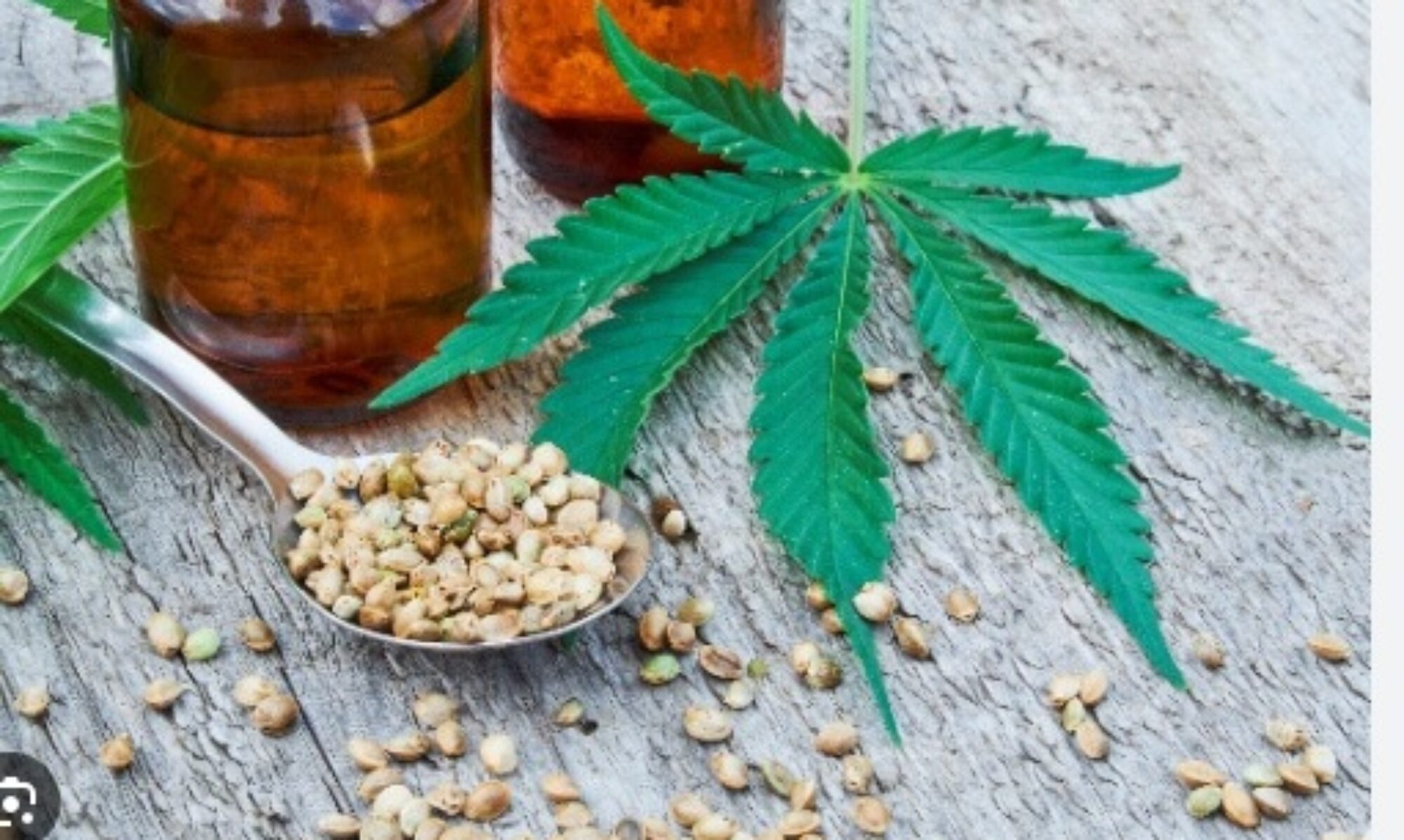
In recent years, more massage rehabilitation specialists have begun using CBD-infused oils and lotions as part of treatment. CBD, a non-psychoactive compound derived from hemp, has shown promising effects in reducing inflammation, soothing sore muscles, and calming nerve pain—all critical factors in rehabilitation.
When applied topically during massage, CBD oil can help:
Reduce inflammation in muscles and joints
Ease soreness and tension in overworked tissues
Promote faster muscle recovery after therapy sessions
Enhance relaxation and improve sleep quality, which supports healing
Many patients describe a deeper sense of relief and comfort after CBD-enhanced sessions, especially when recovering from orthopedic injuries, back strain, or post-surgical stiffness. However, therapists always ensure the products are THC-free, third-party tested, and approved for professional use, maintaining both safety and compliance with regulations.
What to Look for in a Massage Rehab Program
Choosing the right rehabilitation center or therapist involves more than just location or cost. Patients should look for:
Licensed and medically trained therapists with rehabilitation experience
Clear communication about techniques and treatment plans
Personalized programs that adapt as healing progresses
Clean, professional environments with proper hygiene and product transparency
Integration with medical care, ensuring the therapy complements prescribed treatments
A good therapist won’t rush progress—they’ll focus on gentle, consistent improvement and measurable recovery milestones.
Final Thoughts
Massage rehabilitation can be one of the most powerful allies in recovery—but finding the right fit is key. Patients need therapists who combine knowledge, compassion, and the flexibility to adapt as healing evolves.
By integrating natural solutions like CBD oil, modern massage therapy is entering a new era—one that combines scientific precision with holistic comfort. The result is more than pain relief; it’s a pathway toward restored strength, renewed confidence, and a body that feels whole again.
CBD (cannabidiol) has gained widespread attention for its potential health benefits. Extracted from the hemp plant, CBD is a non-psychoactive compound, meaning it doesn’t cause the “high” associated with THC. Research and user reports suggest CBD may offer a range of benefits for physical and mental health. Below, we’ll explore the primary health benefits of CBD based on current evidence and applications.
1. Pain Relief
CBD is often used to manage chronic pain. It interacts with the endocannabinoid system (ECS), a network of receptors that regulates pain, inflammation, and immune responses. CBD may help reduce pain by affecting these receptors and decreasing inflammatory signals.
Common Uses:
Arthritis pain
Muscle soreness
Chronic back pain
Neuropathic pain
Evidence: A study in The Journal of Pain found CBD reduced chronic pain in conditions like arthritis and multiple sclerosis. Many users report improved mobility and reduced discomfort after regular use.
2. Anxiety and Stress Reduction
CBD is widely recognized for its calming effects. It interacts with serotonin receptors in the brain, which regulate mood and stress levels. Unlike some prescription medications, CBD is non-addictive and has fewer reported side effects.
Common Uses:
Generalized anxiety disorder (GAD)
Social anxiety
Post-traumatic stress disorder (PTSD)
Stress from daily life
Evidence: A 2019 study published in The Permanente Journal found that CBD improved sleep and reduced anxiety in 79% of participants after just one month.
3. Improved Sleep Quality
Many people struggle with sleep disorders like insomnia. CBD may promote better sleep by addressing underlying issues like anxiety, stress, or chronic pain. It can also help regulate the sleep-wake cycle.
Common Uses:
Insomnia
Restless sleep
Sleep disturbances due to stress or pain
Evidence: A study in Current Psychiatry Reports showed CBD improved sleep latency (time to fall asleep) and helped participants stay asleep longer.
4. Anti-Inflammatory Properties
Inflammation is a root cause of many chronic conditions, including autoimmune diseases, arthritis, and even cardiovascular issues. CBD has been found to have anti-inflammatory effects, which may reduce the severity of these conditions.
Common Uses:
Rheumatoid arthritis
Inflammatory bowel disease (IBD)
Skin conditions like eczema or psoriasis
Evidence: Research in Frontiers in Immunology highlighted CBD’s ability to suppress inflammatory responses, which could benefit conditions like arthritis and inflammatory skin disorders.
5. Support for Neurological Disorders
CBD shows promise in managing symptoms of neurological disorders. Its neuroprotective properties may help reduce the frequency and severity of seizures, tremors, and muscle stiffness.
Common Uses:
Epilepsy (e.g., Dravet syndrome and Lennox-Gastaut syndrome)
Multiple sclerosis (MS)
Parkinson’s disease
Evidence: The FDA approved Epidiolex, a CBD-based medication, for treating rare forms of epilepsy. Studies have also explored its potential in reducing spasticity in multiple sclerosis patients.
6. Skin Health
CBD is increasingly popular in skincare due to its anti-inflammatory and antioxidant properties. It may help manage acne, eczema, and other skin conditions by reducing inflammation and regulating oil production.
Common Uses:
Acne reduction
Eczema management
Skin hydration
Evidence: A study in the Journal of Clinical Investigation found CBD reduced excessive oil production and inflammation, both major factors in acne development.
7. Heart Health
Preliminary research suggests CBD may benefit cardiovascular health by lowering blood pressure and reducing stress, which are key risk factors for heart disease.
Potential Benefits:
Reduced high blood pressure
Improved circulation
Decreased arterial inflammation
Evidence: A 2017 study in JCI Insight found that a single dose of CBD reduced resting blood pressure and stress-induced spikes in blood pressure.
8. Addiction Management
CBD is being studied for its potential role in managing addiction. It may reduce cravings and withdrawal symptoms by interacting with brain receptors involved in addiction pathways.
Common Uses:
Smoking cessation
Opioid addiction
Alcohol dependence
Evidence: Research in Neurotherapeutics found that CBD reduced drug-seeking behavior and withdrawal symptoms in individuals with substance use disorders.
9. Mental Clarity and Focus
While CBD is known for its calming effects, it may also support mental clarity and focus. By reducing anxiety and improving sleep, CBD can help enhance cognitive performance during the day.
Common Uses:
Enhanced focus
Reduced brain fog
Stress-free productivity
Evidence: User reports and anecdotal evidence suggest CBD may help maintain focus and clarity, though more clinical studies are needed.
10. Digestive Health
CBD’s anti-inflammatory properties may extend to the digestive system. It has been used to manage symptoms of irritable bowel syndrome (IBS) and Crohn’s disease, as well as nausea and appetite changes.
Common Uses:
Nausea relief
Appetite stimulation
Reduced gut inflammation
Evidence: A review in Cannabis and Cannabinoid Research suggested CBD could reduce gut inflammation and alleviate symptoms of digestive disorders.
Choosing the Right CBD Product
To maximize the health benefits of CBD, select the right product for your needs:
Full-Spectrum CBD: Offers the full range of cannabinoids and terpenes for enhanced benefits.
Broad-Spectrum CBD: Contains multiple cannabinoids without THC, suitable for those avoiding THC.
CBD Isolate: Pure CBD, ideal for targeted effects without other compounds.
Always look for third-party lab reports to ensure quality and safety.
Final Thoughts
CBD offers a variety of potential health benefits, from pain relief and reduced anxiety to improved sleep and heart health. While research continues to uncover its full potential, many people already use CBD as part of their wellness routine. Always consult with a healthcare professional before starting CBD, especially if you are taking medications or managing a chronic condition.
Chronic pain affects many, turning daily activities into a challenge due to ongoing discomfort. As more individuals look for natural options, cannabinoids like CBD (cannabidiol) and CBG (cannabigerol) are gaining attention for their possible therapeutic effects. This article examines what CBD and CBG are, how they work in the body, and their roles in managing chronic pain. It also covers their benefits, potential risks, and practical usage tips to help you understand cannabinoids better.
What is CBD and CBG?
CBD (cannabidiol) and CBG (cannabigerol) are two key cannabinoids from the cannabis plant, known for not causing a high and their potential health benefits.
These phytocannabinoids are gaining popularity in the wellness industry as natural options for conditions like chronic pain and inflammation. CBD is recognized for supporting overall health, while CBG, called the ‘mother of all cannabinoids,’ can transform into other cannabinoids and has unique medicinal properties.
How do CBD and CBG work in the body?
CBD and CBG interact with the endocannabinoid system (ECS), a network of receptors and neurotransmitters that helps maintain balance in the body.
By binding to cannabinoid receptors, these compounds can affect processes like reducing inflammation, signaling pain, and modifying pain perception, offering important benefits for managing and relieving chronic pain.
What is Chronic Pain?
Chronic pain is a long-lasting pain condition that persists beyond the usual healing period, often due to underlying health issues, injuries, or diseases. It can severely impact the quality of life for those affected and may cause complications like neuropathic pain syndromes, arthritis, fibromyalgia, and muscle spasms.
Understanding chronic pain is vital for creating effective management strategies that incorporate both traditional and alternative therapies.
What are the Causes of Chronic Pain?
Chronic pain can result from various factors, including injuries, infections, inflammation, or conditions like arthritis and fibromyalgia. It often arises from structural damage, nerve injuries, or ongoing inflammation that affects normal pain signaling.
For instance, arthritis can cause joint damage and inflammation, leading to persistent pain. Fibromyalgia involves widespread pain and sensitivity due to abnormal pain processing in the nervous system. Acute injuries may also lead to long-lasting pain that persists even after healing.
Inflammation is a significant factor in these conditions, both as a cause and a symptom, complicating chronic pain management.
What are the Symptoms of Chronic Pain?
Symptoms of chronic pain can vary widely but often include ongoing discomfort, increased pain sensitivity, and an altered pain threshold that impacts daily activities and overall quality of life. Chronic pain can appear as dull aches, sharp sensations, or burning feelings and is often linked to other pain syndromes.
These symptoms can cause major issues such as difficulty concentrating, fatigue, and emotional distress, hindering the ability to work or socialize. Constant discomfort can lead to anxiety and depression, adding more complications.
The impacts are significant; everyday tasks, from running errands to maintaining a job, become challenging. By affecting physical mobility and mental well-being, chronic pain disrupts daily routines and lowers the overall quality of life.
Understanding these diverse experiences is crucial for providing better support and treatment for those affected.
How can CBD and CBG help with Chronic Pain?
CBD and CBG are showing promise as alternatives for managing chronic pain, as supported by research studies and patient testimonials.
These cannabinoids interact with the endocannabinoid system and may help relieve symptoms related to chronic pain conditions, offering a natural option instead of traditional prescription medications.
What are the Potential Benefits of CBD and CBG for Chronic Pain?
CBD and CBG may offer benefits for chronic pain by providing natural relief, reducing inflammation, and improving health and wellness. Clinical studies support their effectiveness in managing pain conditions, showing that cannabinoids can be important in a holistic treatment plan.
Research suggests that CBD, or cannabidiol, interacts with the body’s endocannabinoid system, which regulates pain and inflammation. A study in the European Journal of Pain found that CBD applied to the skin reduced pain and inflammation in animal models of arthritis, highlighting its potential as a non-invasive management option.
Likewise, CBG, or cannabigerol, has shown potential in addressing pain and inflammation. A 2020 study in the Journal of Pharmacology concluded that both CBD and CBG could be effective alternatives or complements to traditional pain relief medications, helping people manage symptoms while reducing side effects.
Can CBD and CBG Reduce Inflammation and Pain?
Research studies suggest that both CBD and CBG have anti-inflammatory effects, which can help reduce pain from chronic inflammatory conditions. These cannabinoids can lower pain levels and improve the management of symptoms related to various pain syndromes.
Research shows that CBD interacts with the body’s endocannabinoid system, which helps regulate pain and inflammation.
A study published in the journal Pain found that CBD significantly reduced swelling and pain in animal models, showing its effectiveness in managing chronic pain.
Similarly, CBG has shown potential in reducing pain by inhibiting the release of pro-inflammatory cytokines.
These findings indicate that both cannabinoids could be effective options for pain relief, potentially improving the quality of life for those suffering from severe pain.
Can CBD and CBG Improve Sleep and Mood for Chronic Pain?
Many people with chronic pain also struggle with sleep and mood issues. Research suggests that CBD and CBG may help with these problems.
These cannabinoids can promote relaxation and reduce anxiety, which can improve sleep and mood, leading to a better quality of life.
Chronic pain often creates a cycle where pain disrupts sleep, and poor sleep increases irritability and depression. This connection shows the importance of addressing pain, sleep, and mood together for effective management.
Recent studies indicate that CBG can help reduce chronic pain, while CBD can improve the length and quality of sleep. Together, these cannabinoids can provide relief and improve overall wellbeing, allowing individuals to lead more fulfilling lives.
Can CBD and CBG Replace Traditional Pain Medications?
The potential of CBD and CBG to replace traditional pain medications is of significant interest to both patients and healthcare professionals. These cannabinoids may offer alternative therapies for chronic pain management when used within a comprehensive patient care framework.
CBD and CBG come from the cannabis plant and are thought to interact with the body’s endocannabinoid system, potentially providing pain relief in ways different from traditional drugs. Many patients are turning to natural remedies to avoid the side effects usually linked to conventional pain medications, such as addiction and digestive issues.
While CBD and CBG have benefits, like being non-psychoactive and generally safe, challenges remain in standardization, dosing, and the need for more research. Effective patient care requires a balanced perspective, considering both the benefits and the current knowledge gaps of these alternative therapies.
What are the Risks and Side Effects of Using CBD and CBG for Chronic Pain?
While CBD and CBG are typically considered safe, it’s important to know the possible risks and side effects when using them for chronic pain.
As with any supplement or medication, these cannabinoids can cause negative reactions, so it’s crucial to consult healthcare professionals before use.
Are There Any Drug Interactions with CBD and CBG?
CBD and CBG can interact with certain medications, so it’s important to be aware of potential interactions that could affect patient safety. Talking to healthcare providers is essential for avoiding negative effects and ensuring effective pain management.
These interactions can change how medications are processed in the body, possibly increasing or decreasing their effectiveness. People taking blood thinners or antidepressants should be cautious, as CBD can affect cytochrome P450 enzymes, which are important for metabolizing many drugs.
This highlights the need for detailed discussions with healthcare professionals, who can offer personalized advice and adjust treatment plans based on a patient’s specific medications, ultimately improving safety and treatment results.
Can CBD and CBG Cause Any Negative Side Effects?
While CBD and CBG are generally safe for most people, some may experience side effects like fatigue, appetite changes, or stomach discomfort. Understanding how these cannabinoids affect safety is important for those seeking pain relief.
Users should pay close attention to how they react, as effects can differ widely. While these compounds can offer therapeutic benefits, they might also present unexpected challenges.
For example, drowsiness can impact daily activities, so assessing tolerance and dosage is crucial. Mild stomach issues can lessen the benefits of these cannabinoids, highlighting the need for a personalized approach.
By sharing experiences and discussing their safety, users can gain a better understanding, ultimately improving the effectiveness of their CBD and CBG use.
How to Use CBD and CBG for Chronic Pain?
Using CBD and CBG for chronic pain can be effective, but it’s important to know how to use these cannabinoids correctly to get the best results.
Factors like dosage and the form of consumption are crucial in determining how well these natural remedies work.
What Dosage of CBD and CBG is Recommended for Chronic Pain?
The right dosage of CBD and CBG for chronic pain depends on factors like body weight, tolerance, and symptom severity. Following guidelines and consulting healthcare professionals can help maximize their effectiveness in managing pain.
Start with a low dose and gradually increase it to see how your body responds. For example, 10 to 20 mg of CBD or CBG per day might help with mild symptoms, while more severe pain could require 50 mg or more.
It’s important to monitor your response and adjust the dose according to your health and pain levels.
Each person’s experience with cannabinoids is different, so finding the right balance is essential.
What Forms of CBD and CBG are Available for Chronic Pain?
CBD and CBG are available in different forms, including tinctures, capsules, and topicals, each offering specific benefits for managing chronic pain. Understanding these options can help users choose what fits their needs and lifestyle best.
Tinctures are versatile and can be added to food or drinks or taken under the tongue for quick absorption. Capsules provide a convenient pre-measured dose, ideal for those who prefer a simple method. Topicals allow for targeting specific areas, providing localized relief without affecting the rest of the body.
Each form offers varying experiences, from the fast relief of tinctures to the longer effects of capsules. By exploring these options, individuals can better tailor their approach to managing chronic pain.
How to Choose a High-Quality CBD and CBG Product for Chronic Pain?
Selecting a high-quality CBD or CBG product for chronic pain is important to ensure safety, effectiveness, and therapeutic benefits. When choosing cannabinoids for pain management, consider factors like sourcing, extraction methods, and third-party testing.
The hemp source is crucial; it should come from reputable farms that use organic farming without harmful pesticides or chemicals. The extraction process also affects product quality. CO2 extraction is often the best as it preserves cannabinoids and removes impurities.
Products should undergo thorough third-party lab testing to confirm their cannabinoid content and ensure they are free from contaminants. This provides consumers with confidence and peace of mind when choosing a product for managing chronic pain.